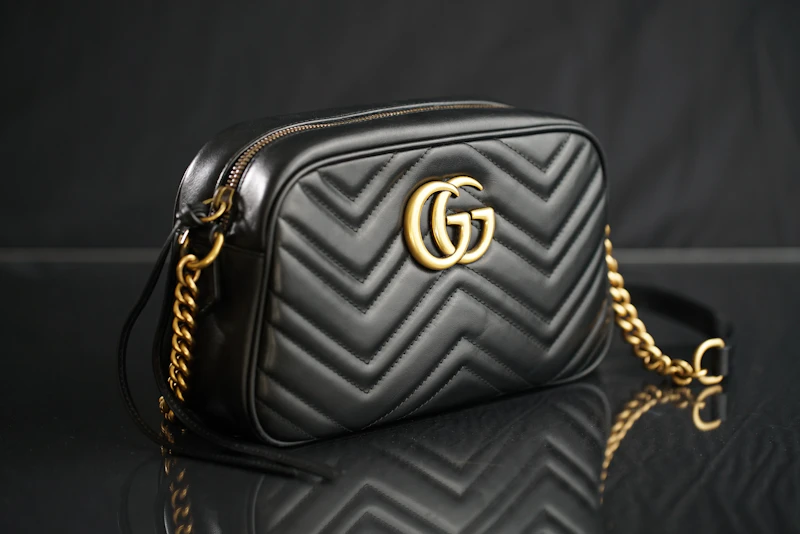
What Is Genuine Leather? A Complete Guide for the Kenyan Shopper
Walk through any market in Nairobi — from the polished boutiques of Westlands to the vibrant stalls of Gikomba — and you will encounter the word leather on dozens of labels. But what does that label really mean? Is the bag you are admiring made of the same material as a product that costs ten times more? In Kenya, where cattle hides are abundant and craftsmanship is deeply rooted in culture, understanding what genuine leather is gives you a powerful advantage as a buyer, a gift-giver, or simply a person who appreciates lasting quality.
At Mel's Fashion, we have been crafting premium leather handbags in Kenya for years, and the single question we receive most often is: "Is this real leather?" This comprehensive guide answers that question — and goes much further, teaching you how to identify, grade, and appreciate authentic leather so you can invest with confidence.
The Definition of Genuine Leather
In its broadest sense, genuine leather refers to any material made from the actual skin of an animal — most commonly cattle, goat, sheep, or pig. The hide is treated through a process called tanning, which stabilises the proteins in the skin and prevents decomposition, turning a raw hide into a supple, durable, and beautiful material.
However, the leather industry has created a grading system, and Genuine Leather is also a specific grade — typically the third tier in a four-tier quality hierarchy. This creates significant confusion for shoppers. Let us break down the grades clearly:
- Full-Grain Leather — The highest quality. This is the entire thickness of the hide with only the hair removed. The natural grain, including scars, insect bites, and unique markings, is preserved. It is the strongest, most breathable leather and develops a rich patina over decades.
- Top-Grain Leather — The second tier. The top layer is split and then sanded to remove imperfections. A protective finish is applied. It is still high quality but slightly less breathable than full-grain.
- Genuine Leather — The third tier. This is made from the layers left over after the top layers are split off. It is real leather, but it is the weakest of the true leather grades. It is often embossed with a fake grain pattern and coated heavily.
- Bonded Leather — The lowest tier. Leather scraps and fibres are bonded together with adhesives and a polyurethane binder, then rolled onto a backing. It looks like leather but peels and cracks quickly.
When Mel's Fashion says we use genuine Kenyan leather, we are referring to leather sourced from Kenyan cattle — but we work exclusively with full-grain and top-grain hides. We use the term "genuine" in its truest sense: authentically real, not synthetic.
Why Kenya Produces Some of Africa's Best Leather
Kenya is home to more than 18 million cattle, 28 million goats, and 10 million sheep. The pastoral communities of the Rift Valley, Maasai Mara region, and northern Kenya have raised livestock for centuries, and the hides from these animals have characteristics that make them highly sought after in the global leather trade.
- Dense fibre structure — Kenyan cattle, particularly Zebu and Boran breeds, have hides with a tight fibre network that produces extremely durable leather.
- Natural tanning heritage — Communities in Machakos and Kajiado have practised vegetable tanning using local barks for generations, producing leather with exceptional depth of colour.
- Climate-appropriate finish — Leather tanned in Kenya is naturally conditioned for the humidity and temperature ranges experienced across East Africa, making it more resistant to cracking in our climate than imported European or Asian leathers.
- Ethical sourcing — Kenyan hides are a by-product of the beef and dairy industries, meaning no animal is killed solely for its skin. This makes Kenyan leather one of the most ethically defensible choices for conscious consumers.
How to Identify Real Leather
Whether you are shopping in Nairobi's CBD, browsing an online store, or visiting a craft fair in Karen, these tests will help you verify authenticity:
1. The Touch Test
Real leather has a slightly warm, organic feel. It gives slightly under pressure and springs back. Synthetic alternatives (PU leather, faux leather) feel plasticky, uniformly smooth, and sometimes slightly cold to the touch.
2. The Smell Test
Genuine leather has a distinctive, earthy, slightly musky smell that is impossible to fake precisely. Many synthetic leathers have a strong chemical or plastic smell, although high-quality PU can now approximate leather scent with perfume additives — so combine this test with others.
3. The Edge Test
Look at the cut edges of straps or panels. Real leather shows natural fibrous layers and a slightly rough texture at the edge. Bonded or faux leather shows a smooth, fabric-backed edge, or a very clean-cut that looks almost manufactured.
4. The Water Droplet Test
Place a tiny drop of water on an inconspicuous area. Real leather will slowly absorb the water droplet over 30–60 seconds. Synthetic leather will repel it and leave it sitting on the surface.
5. The Heat Test
Hold a lighter 5cm from the surface for 5–10 seconds (this is destructive — only do this on a hidden area or a sample). Real leather will slightly singe and smell like burning hair. Synthetic will melt, bubble, or smell like burning plastic.
6. The Grain Pattern Test
Examine the grain under good light. Full-grain and top-grain leather will have subtle, organic variations in the pattern. Perfectly repetitive, uniform grain is a strong indicator of an embossed synthetic or bonded leather.
Understanding the Tanning Process
The way leather is tanned dramatically affects its quality, colour, durability, and environmental impact. There are three primary tanning methods:
Vegetable Tanning
The oldest and most traditional method, using plant-based tannins from bark, leaves, and fruit. This is the method used for centuries across East Africa. Vegetable-tanned leather:
- Develops a rich, deep patina with age and use
- Is biodegradable
- Is firm initially but softens beautifully over time
- Has natural, warm colours that deepen with exposure to light
- Is the preferred choice for high-end artisanal goods
Chrome Tanning
Developed in the 19th century, chrome tanning uses chromium salts and takes hours rather than weeks. Chrome-tanned leather:
- Is softer and more pliable immediately after tanning
- Is more water-resistant
- Is available in a wider range of colours
- Is less environmentally friendly due to chromium waste
- Is the most common method used industrially worldwide
Combination Tanning
Many modern artisans, including our partners at Mel's Fashion, use a combination approach — chrome tanning first for softness and stability, then re-tanning with vegetable tannins for depth of colour and patina development. This produces leather with the best attributes of both methods.
The Patina: Why Old Leather Is Often Better
One of the most remarkable qualities of genuine full-grain leather is its ability to develop a patina — a rich, lustrous sheen that develops through use, exposure to natural oils from your hands, and the environment. Unlike paint or synthetic coating, a patina is not applied; it emerges from within the leather itself.
In Kenya's context, a well-cared-for Mel's Fashion bag will look noticeably more beautiful after five years of use than it did on the day of purchase. The corners will darken slightly, the surface will develop a soft glow, and the bag will take on a character that is uniquely yours. This is something no synthetic bag can replicate.
Pro Tip: If you want to accelerate the development of your leather bag's patina, carry it daily and handle it with clean hands. The natural oils from your skin will nourish the leather and hasten the development of that beautiful aged look.
Common Misconceptions About Leather
Misconception 1: "Genuine Leather" on the label means high quality
As explained above, "Genuine Leather" is actually the third-tier leather grade. Always look for "Full-Grain Leather" or "Top-Grain Leather" if quality is your priority. A bag labelled "Genuine Leather" is real leather, but it may not be the best leather.
Misconception 2: Expensive always means real leather
Price is not a reliable indicator of leather authenticity, especially in Kenya's retail market where import brands command premiums for marketing, not necessarily for material quality. A locally crafted Mel's Fashion bag may offer far superior leather at a fraction of the price of a mass-produced import.
Misconception 3: Leather requires constant maintenance
High-quality leather is surprisingly low-maintenance. A simple monthly conditioning routine and occasional cleaning is all that is required. See our guide: Complete Leather Maintenance Guide.
Misconception 4: Leather is not ethical
When sourced responsibly — as Mel's Fashion does — leather is a by-product of the food industry. Kenyan hides that would otherwise go to waste are transformed into long-lasting products, which is a far more sustainable choice than short-lived synthetic alternatives that end up in landfill. Read more in our guide: Sustainable Fashion in Kenya.
Grades of Leather at a Glance
Full-Grain Leather
- Source: Outermost layer, hair removed only
- Durability: Exceptional — can last 20–50+ years
- Appearance: Natural grain, develops patina
- Best for: Premium handbags, wallets, belts, shoes
- Mel's Fashion use: Yes — flagship products
Top-Grain Leather
- Source: Outer layer, surface sanded
- Durability: Very good — 10–20 years with care
- Appearance: Smooth, uniform, coated
- Best for: Fashion bags, upholstery
- Mel's Fashion use: Yes — select collections
Genuine Leather (grade)
- Source: Lower split layers
- Durability: Moderate — 3–5 years
- Appearance: Embossed pattern, heavy coating
- Best for: Budget accessories
- Mel's Fashion use: No
Bonded Leather
- Source: Leather scraps + adhesive
- Durability: Poor — 1–3 years, peels
- Appearance: Initially leather-like, then peels
- Best for: Short-term fashion items
- Mel's Fashion use: Never
Frequently Asked Questions
Q1: Is PU leather the same as genuine leather?
No. PU (polyurethane) leather is a synthetic material made from a plastic polymer coating applied to a fabric base. It has no animal hide in it (unless it is a "split" PU hybrid). While it can look similar to leather, it does not breathe, does not develop a patina, and typically degrades within 2–5 years. Genuine leather is a natural material; PU is manufactured from petrochemicals.
Q2: How do I know if my bag from a Nairobi market is real leather?
Use the combination of the touch, smell, edge, and water-drop tests described above. Additionally, ask the seller directly about the source and tanning method. Reputable sellers like Mel's Fashion are always willing to provide this information and often have documentation or samples you can compare against.
Q3: Does genuine leather always have imperfections?
Full-grain leather will often show natural markings — small scars, insect bites, or slight variations in grain. These are signs of authenticity, not defects. If a leather bag appears perfectly uniform in every way, it is likely synthetic or bonded leather with an embossed machine pattern.
Q4: Can genuine leather get wet?
Yes, but it should be dried carefully and conditioned afterwards. Regular exposure to water without conditioning can cause cracking and stiffness. See our complete guide: How To Protect Leather During Rainy Seasons.
Q5: Why does Kenyan leather smell different from imported leather?
The distinct smell comes from the tanning process, finishing oils, and dyes used. Kenyan vegetable-tanned leather has a particularly deep, earthy fragrance due to the organic tannins used. Imported leather may have been treated with synthetic chemicals that alter or mask its natural scent. Both are real leather; they simply smell different due to processing methods.
Q6: How long will a genuine leather bag last in Kenya's climate?
A well-made, properly cared-for genuine leather bag from Mel's Fashion will last 10–30 years in Kenya's climate. The humidity during the long and short rains can affect leather without proper conditioning, but with monthly care and occasional waterproofing, your bag will outlast almost any alternative. Discover how at Leather Maintenance Guide.
Q7: Is it worth spending more on full-grain leather in Kenya?
Absolutely. Consider the cost-per-year: a Ksh 15,000 full-grain leather bag that lasts 15 years costs Ksh 1,000 per year. A Ksh 3,000 synthetic bag that lasts 18 months costs Ksh 2,000 per year — twice as much, while generating far more waste. Full-grain leather is the financially smarter and environmentally better choice.
How Mel's Fashion Selects Its Leather
Every hide that enters our workshop goes through a rigorous selection process. Our master craftspeople assess:
- Fibre density — examining the hide's cross-section for tight, well-structured fibres
- Surface integrity — checking for excessive scarring, stretching, or uneven thickness
- Tannage quality — verifying the penetration and uniformity of tannins throughout the hide
- Moisture content — measuring to ensure the leather is neither too dry nor too damp
- Colour consistency — evaluating the evenness and depth of dye penetration
Only hides that pass all five criteria make it into a Mel's Fashion product. This strict selection process is one of the key reasons our bags age so beautifully and last so long.
Related Guides
- Full-Grain vs Top-Grain Leather: What's the Difference?
- Types of Leather Explained
- How Leather Is Made: From Hide to Handbag
- How Long Do Leather Bags Last?
- Why Kenyan Leather Is Unique
Ready to Own Genuine Kenyan Leather?
Now that you know exactly what genuine leather is and how to identify superior quality, you are ready to make a truly informed purchase. Mel's Fashion crafts every bag in Kenya, using carefully selected full-grain and top-grain hides, with the pride and precision of traditional Kenyan craftsmanship.
Browse our current collection or reach out to our team for personalised recommendations tailored to your style, budget, and lifestyle.
Chat with us on WhatsApp: +254 740 899 918 — We would love to help you find the perfect genuine leather bag.